
EDUCATIONAL NOTICE: Peptidings provides information for educational and research purposes only. The compounds in this research cluster are subjects of ongoing scientific investigation at varying stages of development. None of the information presented here constitutes medical advice or a recommendation for use. Consult a qualified healthcare provider before making any decisions about peptide use.
Research Cluster
Bone & Joint Peptides
Joint health peptides for bone metabolism and skeletal support range from approved osteoporosis drugs with extensive clinical data to a Khavinson bioregulator with preclinical evidence only.
Four of five compounds here are FDA-approved drugs. This is one of the most pharmaceutically mature clusters on the site.
Cluster at a Glance
|
5 Compounds Covered |
4 Approved Drug |
1 Preclinical Only |
|
Approved Drug FDA-approved or equivalent regulatory approval |
Preclinical Only Animal models and cell culture only |
BLUF: Bottom Line Up Front
Four FDA-approved drugs (Abaloparatide, Calcitonin, Palopegteriparatide, Teriparatide) with extensive clinical trial programs, real fracture reduction data, and well-characterized safety profiles. These are not speculative compounds—they are standard-of-care treatments for osteoporosis and calcium disorders. Cartalax is the lone outlier: a Khavinson bioregulator with preclinical cartilage protection data and no human trials. The approved drugs here have transformed osteoporosis treatment; the preclinical compound has not yet demonstrated clinical relevance.
In This Article
Compounds in This Cluster
All 5 compounds in the Bone & Joint Peptides cluster, organized by mechanism and editorial function. Each grouping reflects how these compounds relate to each other scientifically—not just alphabetically.
Group 1 of 3
The PTH / PTHrP Pathway Drugs
FDA-approved anabolic bone agents that stimulate new bone formation through parathyroid hormone receptor activation.
Group 2 of 3
The Anti-Resorptive
An established peptide hormone that inhibits osteoclast-mediated bone breakdown.
|
Group 3 of 3
The Preclinical Bioregulator
A short peptide with cartilage-protection data in animal models only.
|
How These Compounds Relate
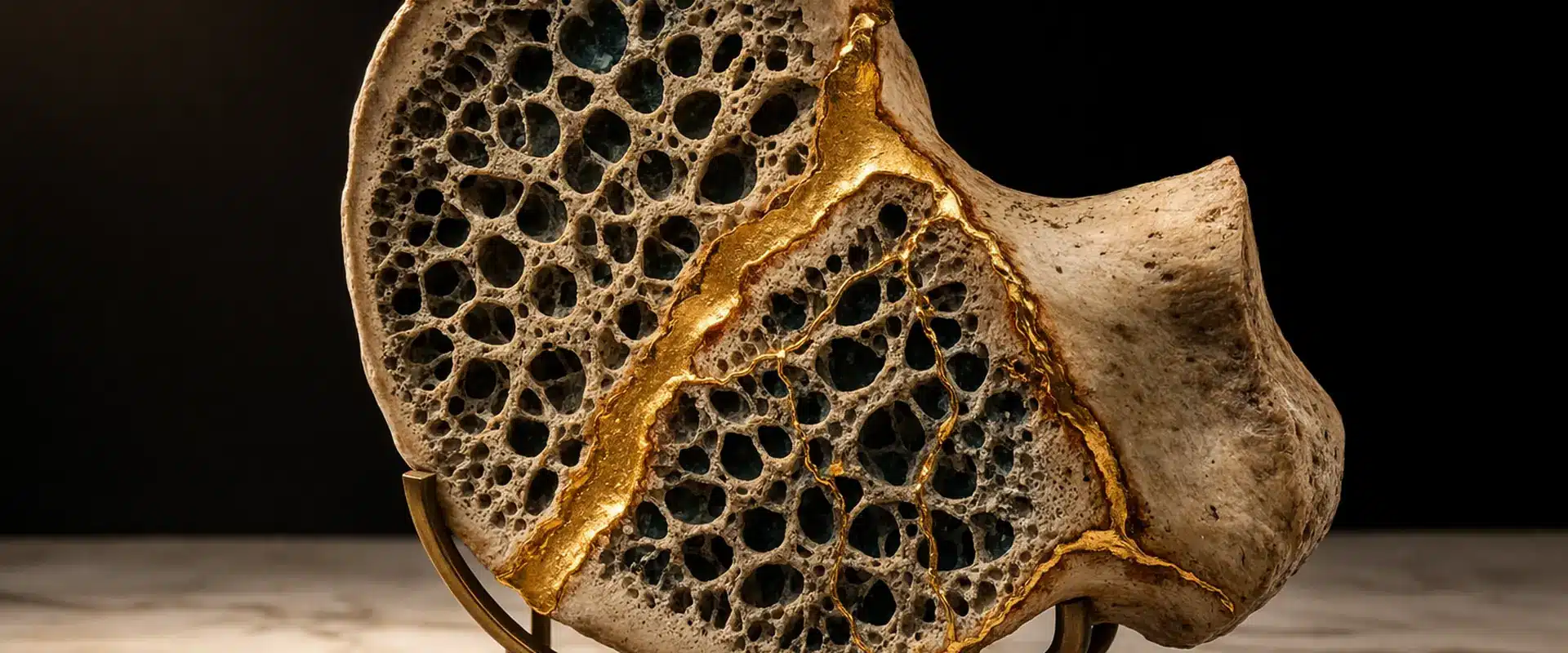
Bone metabolism is a balance between formation (osteoblasts building new bone) and resorption (osteoclasts breaking old bone down). The compounds in this cluster target both sides. Teriparatide, Abaloparatide, and Palopegteriparatide all activate the PTH/PTHrP receptor to stimulate osteoblast activity and promote new bone formation—they are anabolic agents. Calcitonin works the opposite side, inhibiting osteoclast-mediated bone resorption.
The distinction between these approved drugs matters clinically. Teriparatide and Abaloparatide are used sequentially with anti-resorptives (bisphosphonates, denosumab) in osteoporosis treatment: build bone first with anabolic therapy, then protect it with anti-resorptive maintenance. Palopegteriparatide addresses a different problem entirely—replacing the missing hormone in hypoparathyroidism, where the parathyroid glands cannot produce enough PTH.
Cartalax represents the only non-pharmaceutical compound in this cluster. As a Khavinson bioregulator, it follows the Russian short-peptide tradition of targeting tissue-specific gene expression. The cartilage protection data in animal models is internally consistent but has not been tested in human joints.
| Shared Mechanism | Compounds |
|
PTH/PTHrP Receptor Agonism Stimulates osteoblast activity and new bone formation through parathyroid hormone receptor activation. |
Teriparatide, Abaloparatide, Palopegteriparatide |
|
Osteoclast Inhibition Reduces bone resorption by inhibiting osteoclast-mediated bone breakdown. |
Calcitonin |
|
Chondroprotection Targets cartilage cell preservation and extracellular matrix integrity in joint tissue. |
Cartalax |
Plain English
Four of these five compounds are real drugs that doctors prescribe for bone diseases. Three of them (Teriparatide, Abaloparatide, Palopegteriparatide) tell your body to build new bone. One (Calcitonin) tells your body to stop breaking old bone down. Together, they represent the complete toolkit for managing osteoporosis and calcium disorders. The fifth compound (Cartalax) is a short peptide studied in animals for cartilage protection—interesting biology, but no human evidence yet.
Stay Current
New research, new articles, no noise
Peptidings publishes long-form peptide research articles grounded in primary literature. Subscribe to get new compound articles, cluster updates, and evidence reviews delivered to your inbox.
Disclaimer: This page is for educational and research purposes only. It does not constitute medical advice, diagnosis, or treatment. The compounds discussed are subjects of ongoing scientific research and have not been evaluated by the FDA for all applications described. Consult a qualified healthcare provider before making any decisions about your health.